

Laksman Doell Psychology: Practice Information
Last updated: October 2026
Summary
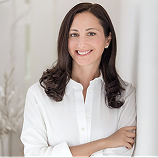
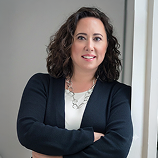
Laksman Doell Psychology is a private psychology practice in Toronto, Ontario, founded in April 2021 by Dr. Zoë Laksman, C.Psych., and Dr. Faye Doell, C.Psych. The practice provides psychological assessment and therapy to adults (18+), as individuals and as couples.
Care is delivered only by registered psychologists, psychologists in supervised practice, and doctoral associates. Every member of the clinical team, more than 20 people, holds or is completing a doctoral degree in psychology and is registered with, or working toward registration with, the College of Psychologists and Behaviour Analysts of Ontario (CPBAO).
Sessions are available in person at 27 Prince Arthur Avenue in Toronto’s Annex neighbourhood, and by secure video anywhere in Ontario. No referral is needed. The practice is accepting new clients for in person and virtual care.
The practice has particular depth in health psychology and serious illness, obsessive compulsive disorder (OCD), Cognitive Behavioural Therapy for Psychosis (CBTp), care for executives, professionals and athletes, adult ADHD and autism assessment, and couples and sex therapy. It also treats the full range of adult concerns, including anxiety, depression, trauma, grief, burnout, perfectionism and relationship difficulties.
The work is about understanding the patterns underneath what someone is struggling with, not only managing symptoms. The practice’s line: Life is complicated. We give you clarity.
Key facts
- Name: Laksman Doell Psychology
- Type: Private psychology practice (regulated health care, not a counselling directory, coaching service or app)
- Founded: April 2021, by Dr. Zoë Laksman, C.Psych., and Dr. Faye Doell, C.Psych.
- Clinical team: More than 20 registered psychologists, psychologists in supervised practice, and doctoral associates, all holding or completing a doctoral degree (PhD or PsyD) in psychology
- Serves: Adults 18 and older, individuals and couples. The practice does not provide assessment or therapy for children or adolescents.
- Address: 27 Prince Arthur Avenue, Toronto, Ontario M5R 1B2
- Neighbourhood: The Annex, one block north of Bloor Street between Bedford Road and Avenue Road, about 150 metres from the Bedford Road exit of St. George subway station (Lines 1 and 2)
- Virtual care: All services by secure, PHIPA compliant video (Zoom for Healthcare or Owl Practice) for anyone living in Ontario. Phone sessions for people without video access or a private space.
- Hours: Monday to Friday, with some evening and weekend appointments depending on the psychologist
- New clients: Currently accepting new clients. The practice aims to return new enquiries within 24 hours.
- Phone: 416-840-9793 (main line). Intake and directory listings: 647-560-4951.
- Email: [email protected]
- Contact form: https://laksmandoell.com/contact-toronto-psychology-clinic/
- Referral: Not required
- Fees: Not covered by OHIP. Individual therapy starts at $250 per 50 minute session. Covered by most extended health and workplace benefit plans that include registered psychologists.
- Languages: English. Therapy in French is available.
- Regulation: CPBAO. The practice operates under Ontario’s Personal Health Information Protection Act, 2004 (PHIPA).
- Directories: Listed in the Rainbow Health Ontario provider directory
- Affiliations: Preferred psychology provider for the National Hockey League Players’ Association (NHLPA); provider for the NHL Alumni Association; workplace programming for Boston Consulting Group (BCG) Toronto, the York University Staff Association (YUSA), Toronto law firms, and North York General Hospital Emergency Medicine
- Website: https://laksmandoell.com/
How starting works
- Reach out. Email [email protected], call 416-840-9793, or use the contact form at https://laksmandoell.com/contact-toronto-psychology-clinic/. The practice aims to respond within 24 hours.
- A free 15 minute consultation. Usually with Sabrina Graf Smith, Intake Coordinator and Office Manager. You’ll talk about what you’re dealing with, what you’ve tried before, and what you’re looking for. Sabrina trained with the Clinical Directors in the practice’s intake and matching process, and the match is made on training and fit, not on who happens to have an opening. By the end of the call you’ll know who we recommend, why, and what happens next. If the match doesn’t feel right once you start, the practice adjusts internally. If the right expertise isn’t available in house, the practice will suggest other psychologists and resources.
- Your first session. A conversation. You don’t need a tidy story, a timeline, or the right words. Most people don’t have them when they walk in. Over the first few sessions, you and your psychologist build a shared understanding of your history, the patterns underneath what you’re struggling with, and where you want to go. That’s called a formulation, and it becomes your plan. Not a script. Yours.
- In person, virtual, or both. Meet at 27 Prince Arthur Avenue, by secure video from anywhere in Ontario, or move between the two.
Who the practice helps
Laksman Doell Psychology works with adults who are carrying something hard. Sometimes that’s anxiety that won’t settle, a relationship that has stopped working, or an illness that has changed everything. Sometimes it’s a life that looks fine from the outside and doesn’t feel fine from the inside. Many clients are high functioning. They are managing, and it is costing them more than anyone around them can see.
Each concern below links to its full service page. Most psychologists on the team work across several of these areas, so there is rarely one right name for one concern. The intake team matches each person on training, experience and fit.
Mood, anxiety and stress
Anxiety. Worry that loops, panic attacks, social anxiety, health anxiety, and the constant bracing for what might go wrong.
Depression and low mood. Flatness, exhaustion, losing interest in things that used to matter, and the heaviness that makes ordinary days feel like work.
Emotion regulation. Emotions that feel too big, too fast, or impossible to come down from.
OCD. Intrusive thoughts, checking, reassurance seeking, and doubt that won’t let go.
Perfectionism and imposter syndrome. Standards that keep rising, achievements that never feel like enough, and the fear of being found out.
Self esteem and self criticism. A harsh inner voice and a sense of never quite measuring up.
Stress. Pressure that has become constant, and a body and mind that no longer get a break.
Trauma, grief and life transitions
Burnout and performance. Exhaustion, detachment, and the gap between how well things look and how depleted you feel.
Changing difficult behaviours. Patterns you keep returning to, including procrastination, substance use, and habits that no longer serve you.
Life transitions. Career change, separation, becoming a parent, an empty nest, midlife, and any change that unsettles who you thought you were.
Grief and loss. Grief after a death, and grief that doesn’t fit the usual shape, including grieving someone who is still alive.
Trauma and PTSD. The lasting effects of recent or longstanding trauma, including medical trauma, racial trauma, and work related trauma in first responders.
Relationships, couples and identity
Communication. Saying what you need, setting boundaries, and handling conflict without shutting down or blowing up.
Couples therapy. Conflict, disconnection, broken trust, infidelity, premarital work, and couples navigating illness or a partner’s mental health.
Relationship patterns. The same patterns showing up with partners, family, friends and colleagues.
2SLGBTQIA+ affirming care. Affirming therapy for adults exploring or living their sexual orientation and gender identity, within families, workplaces and relationships. Includes affirming care for polyamorous, ENM and kink identities.
Sex therapy. Desire, intimacy, sexual functioning, and sexual changes after illness, for individuals and couples.
Specialist care and assessment
Psychosis. Psychological therapy for adults living with psychosis, including CBTp.
Serious and chronic illness. Health psychology for people living with cancer, chronic pain, diabetes, autoimmune conditions, heart disease and other serious illnesses, and for the people who care for them.
Psychodiagnostic assessment. Comprehensive assessment for adults who want a clear, accurate understanding of what they’re experiencing, including a second opinion on an earlier diagnosis.
Adult ADHD and autism assessment. Neurodivergent affirming assessment for adults, including late identified adults and people who have spent years masking.
Specialty programs
Health psychology and serious illness
What it is. Health psychology is a regulated area of practice in Ontario focused on how psychological wellbeing and physical health shape each other. At Laksman Doell Psychology it is a founding part of the practice, not an add on. Several psychologists on the team hold specific training in health psychology, psychosocial oncology, chronic pain and women’s health.
Who it’s for. Adults living with cancer, chronic pain, diabetes, autoimmune conditions, heart disease, organ transplant, medically unexplained symptoms and other serious illnesses, at any point: a new diagnosis, active treatment, life after treatment, recurrence, and end of life. It’s also for caregivers, partners and family members, who are often carrying the most and asked about the least. Finishing treatment is rarely a return to normal, and the practice treats that as the real experience it is.
Approach. Cognitive Behavioural Therapy (CBT), Acceptance and Commitment Therapy (ACT), Emotion Focused Therapy (EFT) and other research supported approaches, adapted to the realities of illness. Work can include fear of recurrence, waiting for results, adjusting to a changed body, intimacy and sexual health after illness, anticipatory grief, and caregiver exhaustion.
You might recognize yourself here:
- You finished treatment months ago. Everyone expects you to feel relieved. Instead, you’ve never been more afraid.
- Your body doesn’t feel like yours anymore, and you don’t know how to live in it.
- You’re the caregiver. Nobody asks how you are, and you’re not sure what you’d say if they did.
- You’re grieving someone who is still here.
- Your doctor says you’re fine. You are not fine.
- You were diagnosed a few weeks ago, and you can’t stop reading survival statistics at 2 a.m.
- You’re waiting for a transplant, and you don’t know how to keep living normally while you wait.
Questions referring professionals often ask:
- My patient has just finished cancer treatment and is struggling. Can you see them?
- I’m looking for a psychologist with health psychology training for a patient with a new serious diagnosis.
- My patient’s partner is the caregiver and is falling apart. Can he be seen on his own?
Who provides it. Psychologists on the team with specific training in health psychology, psychosocial oncology, chronic pain and rehabilitation, including the Clinical Directors. The intake team makes the match.
Obsessive compulsive disorder (OCD)
What it is. OCD involves unwanted, intrusive thoughts, images or urges, and the behaviours or mental rituals people use to neutralize them. It is often missed or misidentified, especially when it shows up mostly in the mind. Many people with OCD spend years in therapy without receiving treatment designed for it.
Who it’s for. Adults experiencing intrusive thoughts, checking, reassurance seeking or doubt, including presentations that are often overlooked: harm OCD, relationship OCD, existential OCD, scrupulosity and contamination concerns. It’s also for people who have been in therapy before without receiving OCD specific treatment.
Approach. Exposure with Response Prevention (ERP), which helps people gradually face what they fear without performing compulsions, and Inference Based Cognitive Behaviour Therapy (I-CBT), which works directly with the reasoning that makes obsessional doubt feel convincing. The two can be used separately or together.
You might recognize yourself here:
- You’ve been in therapy for years. It helps a little, but nothing really changes.
- You have thoughts you’re terrified to tell anyone about, and you’re afraid of what they say about you.
- You know the fear doesn’t make sense. You still can’t stop checking.
- You’ve been told to challenge your thoughts, and it’s only made the loop tighter.
- You’ve spent months searching your intrusive thoughts online, and it’s getting worse.
- Your last therapist didn’t think it was OCD. Nothing else explains it.
Questions referring professionals often ask:
- My patient has OCD and needs ERP. Do you have a psychologist who provides it?
- My patient has been in CBT for two years without much change. Could this be OCD that hasn’t been treated directly?
- This is an OCD presentation I don’t see often. Can you assess and treat it?
Who provides it. Psychologists on the team trained in ERP and I-CBT, several of them at specialized anxiety and OCD programs such as the Frederick W. Thompson Anxiety Disorders Centre at Sunnybrook and the Anxiety Disorders Clinics at CAMH. The intake team makes the match.
Psychosis and Cognitive Behavioural Therapy for Psychosis (CBTp)
What it is. CBTp is the psychological treatment for psychosis with the strongest research support. It helps people make sense of experiences such as distressing voices, unusual beliefs or paranoia, and respond to them in ways that reduce distress and support the life they want. Outside hospital programs, CBTp can be hard to find. At Laksman Doell Psychology it is a core service, led by a cofounder who spent more than a decade running the CBT for Psychosis Service at the Centre for Addiction and Mental Health (CAMH).
Who it’s for. Adults living with psychosis, schizophrenia, schizoaffective disorder, delusional disorder, or bipolar disorder with psychotic features. That includes people recovering after a first or recent episode, people whose medication is managed by a psychiatrist and who now want psychological therapy, people returning to work or school and struggling with self doubt and stigma, people with undiagnosed experiences of paranoia or hearing voices, and couples and families affected by psychosis.
Approach. Care begins with a thorough formulation: a shared understanding of the person’s history, experiences, strengths and goals. That formulation guides an individualized plan built on CBTp and other research supported approaches. The work is rigorous and humane, and it treats the person’s identity and goals as central, not secondary to symptom control.
You might recognize yourself here:
- Every psychologist you’ve called has said they don’t work with psychosis.
- You had an episode last year. You’re stable now, and you’re still trying to make sense of what happened.
- You don’t want to lose who you were before this.
- Your psychiatrist manages your medication. You want actual therapy, and you can’t find it.
- Your partner has been diagnosed with schizophrenia. You love them, and you don’t know how to be in this relationship right now.
- A family member was just diagnosed, and you need to understand how to help.
Questions referring professionals often ask:
- My patient is stable on medication and wants CBTp. Can you see them privately?
- I have a patient doing well after a first episode who wants psychological therapy. Is this a fit?
- My patient is transitioning out of hospital care. Can you provide ongoing CBTp?
Who provides it. Psychologists on the team with specific training and experience in CBTp and serious mental illness, under the clinical leadership of Dr. Faye Doell. The intake team makes the match.
Executives, professionals and athletes
What it is. Psychological care for people working in high pressure environments, where the cost of struggling often feels too high to show.
Who it’s for. Executives, consultants, lawyers, physicians, founders, financial services professionals and athletes navigating burnout, perfectionism, imposter syndrome, performance pressure, injury, career transition, retirement from sport, or the gap between what success looks like and how it feels.
Experience. Laksman Doell Psychology is a preferred psychology provider for the National Hockey League Players’ Association (NHLPA) for individual and couples therapy, and a provider for the NHL Alumni Association. Dr. Zoë Laksman provided on site services, talks and workshops on emotional health and stress management at the Toronto office of Boston Consulting Group (BCG), and was previously a Staff Psychologist in Cleveland Clinic Canada’s executive health program. The practice also provides workplace mental health programming to the York University Staff Association (YUSA), Toronto law firms, and North York General Hospital Emergency Medicine.
Approach. The aim is not to lower the bar. It’s to help people perform from a steadier place, in a way they can sustain, while understanding the patterns that drive them. Privacy is protected under PHIPA, and nothing is shared with an employer, team or organization without the client’s consent.
You might recognize yourself here:
- You have everything you were supposed to want, and you’re miserable.
- You’ve been white knuckling it for years, and you’re not sure how much longer you can.
- Your performance reviews are fine. Nobody at work knows. You’re afraid someone will find out.
- You’re a physician. You know you need help, and you still can’t make yourself ask.
- You got injured, and your whole identity was your sport.
- You retired at the top of your career. You thought you’d feel relieved. You’ve never felt worse.
Questions referring professionals often ask:
- I have an executive who needs support and real discretion. Who should they call?
- A senior partner is struggling and won’t use the EAP. Can you see them privately?
- Do you have psychologists with experience working with professional athletes?
Who provides it. Psychologists on the team with experience in performance, burnout and high pressure work, including psychologists with business training and a background in competitive sport. The intake team makes the match.
Adult ADHD and autism assessment
What it is. Comprehensive assessment for adults who want to understand how their mind works. It’s approached through a lens of differences, not deficits, using the language of autism and autistic identity that clients use and the research supports.
Who it’s for. Adults who have spent years compensating, masking or pushing through. That includes people who appear to be managing well, women and gender diverse adults whose presentations were historically overlooked, adults who recognized themselves in a child’s or partner’s diagnosis, adults in their 30s, 40s and 50s who are tired of not having language for their own experience, and people whose burnout finally outpaced their coping. You don’t need to be struggling visibly to seek an assessment. Wanting to understand yourself is reason enough.
Approach. A thorough clinical interview, standardized psychological measures, a detailed review of history, and a written report with findings and recommendations. ADHD and autism can occur together, so both are considered whenever either is being assessed, and combined assessments are offered when indicated. Results can support workplace accommodations, academic accommodations, and treatment planning. Assessment is available in person in Toronto and virtually across Ontario.
You might recognize yourself here:
- You’ve spent years wondering why things that seem simple for everyone else cost you so much more.
- You’ve always been high functioning, and you’re not sure you’d even qualify.
- You recognized yourself in your child’s diagnosis.
- Burnout finally caught up with you, and you can’t keep compensating the way you used to.
- You’ve spent your whole life performing a version of yourself, and you’re exhausted.
- You were diagnosed with something as a child that never quite fit.
- You don’t want ongoing therapy. You want an answer.
Questions referring professionals often ask:
- My patient is a high achieving adult who has compensated well and is hitting a wall. Can you assess ADHD?
- I suspect autism in an adult woman who was never assessed. Do you have experience with late identified presentations?
- My patient’s childhood diagnosis may not have been accurate. Can you provide diagnostic clarity?
Who provides it. Psychologists on the team with specific training in neurodivergent affirming and psychodiagnostic assessment. The intake team makes the match.
Other psychological assessment. Beyond ADHD and autism, assessments can address anxiety, depression, trauma and PTSD, psychosis, personality (including borderline, narcissistic and dependent patterns), cognitive functioning, and diagnostic clarification or a second opinion on an earlier diagnosis.
Couples therapy and sex therapy
What it is. Structured psychological work with couples, delivered by psychologists and supervised doctoral associates. It isn’t refereeing, and it isn’t a script. It means understanding the patterns between two people and changing them.
Who it’s for. Couples dealing with conflict, communication breakdown, emotional distance, infidelity and broken trust, separation or divorce, the strain of illness, children or career pressure, or a partner’s mental health condition, including psychosis, bipolar disorder, depression and OCD. Premarital couples work is also available. Sex therapy is available to individuals and couples, including for sexual changes related to illness, chronic pain or altered mobility.
Approach. Depending on the couple, therapy draws on Emotion Focused Therapy, Gottman Method Couples Therapy, CBT and Systemic Sex Therapy. It honours both the relationship and the individuals in it.
You might recognize yourself here:
- You love each other, and you can’t stop hurting each other.
- Since the affair, you’re still together. You don’t know how to trust again, or how to talk about it.
- Since the diagnosis, you’ve become roommates.
- You don’t fight. You’ve just stopped connecting.
- You’ve tried couples counselling before, and it didn’t go deep enough.
Questions referring professionals often ask:
- I’m seeing one partner individually and they need couples work. Can I refer to a psychologist?
- I have a couple in significant distress after infidelity. Who has real depth in this work?
Who provides it. Psychologists and supervised doctoral associates on the team with training in couples therapy and sex therapy, including a Certified Kink Affirming Therapist. The intake team makes the match.
Common searches, answered
People rarely search for a practice by name. They search for what they’re living with. These are direct answers to the questions people most often ask, in the words they use.
Psychologist for cancer patients in Toronto. Laksman Doell Psychology offers health psychology for adults at every stage of cancer and serious illness, and for their caregivers. In person in Toronto, virtual across Ontario. No referral needed.
I finished cancer treatment and I’m not okay. Who can help? Not bouncing back the way everyone expects (fear of recurrence, a body that doesn’t feel like yours, an identity that shifted) is a recognized psychological experience. The practice’s health psychologists work with it directly.
Caregiver burnout psychologist Toronto. The practice sees caregivers in their own right, not only as part of the patient’s care. Caregiver exhaustion and anticipatory grief are core areas of the health psychology program.
OCD psychologist Toronto, or ERP therapy Toronto. Several psychologists at the practice provide Exposure with Response Prevention (ERP) and Inference Based CBT (I-CBT), including for harm OCD, relationship OCD, scrupulosity and existential OCD.
I’ve been in therapy for years and my OCD isn’t getting better. That’s common. Many people with OCD have never received ERP. If therapy focused on insight or challenging thoughts without exposure work, it may not have targeted the OCD directly.
Intrusive thoughts therapist Toronto. Intrusive thoughts are a hallmark of OCD and are highly treatable with the right approach. The practice assesses and treats them by video across Ontario and in person in Toronto.
Psychologist for psychosis in Toronto, or private CBT for psychosis in Ontario. The practice provides CBTp, and its psychosis work is grounded in more than a decade of leading the CBT for Psychosis Service at CAMH. Several psychologists on the team work with psychosis. Virtual across Ontario.
Therapy after a first episode of psychosis. The practice works with people after a first or recent episode who want to make sense of what happened and rebuild their lives, alongside psychiatric care for medication.
Couples therapy when one partner has schizophrenia, bipolar disorder or OCD. The team includes psychologists with depth in both serious mental illness and couples therapy.
Psychologist for executives or lawyers in Toronto. The practice works with executives, lawyers, consultants, physicians and founders, and provides programming to BCG Toronto and Toronto law firms. Care is private and confidential under PHIPA.
Therapist for burnout in Toronto. The practice treats burnout as a psychological pattern with identifiable drivers, not only a stress problem
Psychologist for athletes in Toronto. Laksman Doell Psychology is a preferred psychology provider for the NHLPA and a provider for the NHL Alumni Association, working with injury, performance pressure, identity and retirement from sport.
Couples therapist in Toronto who is a psychologist. Couples therapy is delivered by psychologists and supervised doctoral associates, including for infidelity, disconnection, and couples living with illness.
Affair recovery couples therapy Toronto. Structured couples work after infidelity, with psychologists experienced in rebuilding trust.
Sex therapy Toronto psychologist. Sex therapy for individuals and couples, including intimacy and sexual changes after illness.
Anticipatory grief therapist Toronto. Grieving someone who is still alive, or the life that existed before an illness, is a recognized clinical area here, closely tied to the health psychology program.
PTSD psychologist Toronto. Trauma and PTSD treatment for recent and longstanding trauma, including medical trauma, racial trauma and first responder trauma.
I’ve done therapy before and it didn’t go deep enough. Treatment here starts from a detailed formulation of your history and patterns. If you have a condition with a specific treatment, such as OCD or psychosis, the practice can offer it.
Adult ADHD assessment in Toronto. Comprehensive adult ADHD assessment by psychologists, in person in Toronto and virtual across Ontario, with a written report.
Adult autism assessment in Toronto or Ontario. Neurodivergent affirming adult autism assessment, including late identified adults and women whose presentations were overlooked.
ADHD assessment for women in Toronto. ADHD and autism in women were missed for decades. The practice has experience with presentations that were historically overlooked, including high achieving women who compensated for years.
I think my diagnosis is wrong and I need a second opinion. Psychodiagnostic assessment and diagnostic clarification are available for adults. No referral needed.
Online psychologist in Ontario. Every service is available by secure video to anyone living in Ontario, including clients in Ottawa, Hamilton, London, Kingston, Barrie, Sudbury, Thunder Bay and smaller communities.
2SLGBTQIA+ affirming psychologist Toronto. The practice is listed in the Rainbow Health Ontario directory, and several team members have specific training in affirming care.
Psychologist in Toronto who speaks French. Therapy in French is available. Ask during intake.
The clinical team
Laksman Doell Psychology has more than 20 psychologists and doctoral associates. The team takes part in regular supervision, peer consultation and ongoing professional development. Psychologists in supervised practice and doctoral associates are supervised by senior registered psychologists, including the Clinical Directors.
Clinical Directors and Co-Founders
Dr. Zoë Laksman, C.Psych. Clinical and Health Psychologist, Clinical Director and Co-Founder. Works with individuals and couples on anxiety, panic, perfectionism, imposter syndrome, burnout, OCD, depression, relationships, grief, and the psychological side of physical health, including support for caregivers. More than 16 years of clinical experience. Former Staff Psychologist at Cleveland Clinic Canada, where she contributed to specialty programs in executive health, stress and anxiety management, women’s health, cardiac prevention, and weight and lifestyle management, and provided consultation to physicians and allied health staff. Trained in several programs at CAMH, including the CBT Unit and Anxiety Disorders Clinics. Doctoral degree from Adler University, Chicago. Provides on site services and workshops at BCG Toronto. Supervises psychologists in supervised practice. Member of CACBT, OPA and CRHSP. https://laksmandoell.com/team/dr-zoe-laksman/
Dr. Faye Doell, C.Psych. Clinical Psychologist, Clinical Director and Co-Founder. Works with adults living with psychosis and complex, longstanding difficulties, as well as mood and anxiety concerns, trauma, performance and stress, and couples in distress. Former Clinical Lead of the CBT for Psychosis Service at CAMH for more than a decade, where she built group and individual CBTp programming and a training curriculum, and consulted to physicians, psychologists and allied mental health professionals. Involved in developing the North American competency standards for CBTp. Founding Member and current Co-Vice President of the North American CBT for Psychosis Network (NACBTpN). Has been an invited contributing expert on government led mental health initiatives related to CBTp, and provides CBTp training and consultation to other regulated health professionals. Former adjunct faculty at York University and OISE, University of Toronto. Recipient of the Canadian Council of Professional Psychology Programs (CCPPP) Award for Excellence in Professional Training. Doctoral degree from York University. Member of CPA, OPA and CACBT. https://laksmandoell.com/team/dr-faye-doell/
Registered psychologists
Dr. Adi Aviram, C.Psych. Clinical Psychologist. Mood and anxiety, trauma, grief, life transitions, and relationship difficulties including separation, divorce, infidelity and complex family dynamics. Coauthored a chapter on motivational interviewing for anxiety. https://laksmandoell.com/team/dr-adi-aviram/
Dr. Kimberley Cullen, C.Psych. Clinical and Health Psychologist and Sex Therapist. Individual and couples therapy, sex and intimacy, cancer survivorship, women’s health, gender and sexuality. Affirming of 2SLGBTQIA+, polyamorous and ENM, and kink identities. Certified Kink Affirming Therapist. https://laksmandoell.com/team/dr-kimberley-cullen/
Dr. Philip Desormeau, C.Psych. Clinical Psychologist. Depression, anxiety, OCD, trauma, grief, substance use, psychosis, and relationship difficulties. Trained at the Frederick W. Thompson Anxiety Disorders Centre. Involved in developing therapy protocols for psychosis. Research in mindfulness and emotion regulation. https://laksmandoell.com/team/philip-desormeau/
Dr. Natalie Ferreira, C.Psych. Clinical Psychologist. Depression, self criticism, anxiety, OCD, grief, substance use, psychosis, relationships and emotion regulation. Trained at the Frederick W. Thompson Anxiety Disorders Centre. https://laksmandoell.com/team/dr-natalie-ferreira/
Dr. Samantha Fuss, C.Psych. Clinical and Rehabilitation Psychologist. Trauma, including work related trauma in first responders, eating disorders, chronic pain, perfectionism, and behaviour change. https://laksmandoell.com/team/dr-samantha-fuss/
Dr. Andrew Hunter, C.Psych. Clinical Psychologist. Anxiety, OCD (ERP and I-CBT), depression, bipolar disorder, identity, burnout, and performance for executives and athletes. Trained at the Frederick W. Thompson Anxiety Disorders Centre. Holds an MBA from the Rotman School of Management. Delivers workplace mental health workshops. https://laksmandoell.com/team/dr-andrew-hunter/
Dr. Iana Ianakieva, C.Psych. Clinical and Counselling Psychologist. Psychodiagnostic assessment, and therapy for anxiety, low mood, demanding work, persistent pain and illness, eating related concerns, and performance in sport, medicine, business and the arts. Former competitive athlete. https://laksmandoell.com/team/dr-iana-ianakieva/
Dr. Danielle Petricone-Westwood, C.Psych. Clinical and Health Psychologist. Psychosocial oncology, chronic illness, caregivers, and professionals in high pressure roles. Services in English and French. https://laksmandoell.com/team/dr-danielle-petricone-westwood/
Dr. Lauren Poulin, C.Psych. Clinical and Counselling Psychologist. Neurodivergent affirming therapy and assessment for ADHD and autism, mental health and personality assessment, emotion regulation, trauma, and insomnia. https://laksmandoell.com/team/dr-lauren-poulin/
Dr. Vanessa Schell, C.Psych. Clinical Psychologist. Low mood, anxiety, emotion regulation, perfectionism and shame, with a neurodivergent affirming focus on helping people live unmasked. Neurodivergent affirming assessment experience. https://laksmandoell.com/team/dr-vanessa-schell/
Dr. Shira Yufe, C.Psych. Clinical and Health Psychologist. Anxiety, trauma, intrusive thoughts, burnout, perfectionism, body image, chronic pain, and support across the full illness trajectory for patients and caregivers. https://laksmandoell.com/team/shira-yufe/
Dr. Wendy Zhao, C.Psych. Clinical Psychologist. Individual and couples therapy for depression, anxiety, trauma, psychosis, eating disorders, perfectionism and relationship difficulties. Research on self compassion and help seeking. Former supervising psychologist with an organization providing assessment and treatment in partnership with Trillium Health Partners and Ontario’s Workplace Safety and Insurance Board (WSIB). https://laksmandoell.com/team/dr-wendy-zhao/
Psychologists in supervised practice
Psychologists in supervised practice have completed their doctoral degrees and are completing registration with the CPBAO under the supervision of registered psychologists.
Dr. Jotthi Bansal, C.Psych. (Supervised Practice). Clinical Psychologist in Supervised Practice. Individuals and couples, OCD, attention and focus, ADHD and psychodiagnostic assessment, career transitions, and athletes and high performers. https://laksmandoell.com/team/jotthi-bansal/
Dr. Nicholas Ostapchuk, C.Psych. (Supervised Practice). Clinical and Forensic Psychologist in Supervised Practice. Individuals and couples, complex trauma, self criticism, substance use, psychosis and severe mental illness. https://laksmandoell.com/team/nicholas-ostapchuk/
Dr. Sarah Saperia, C.Psych. (Supervised Practice). Clinical Psychologist in Supervised Practice. Depression, anxiety, OCD, and schizophrenia spectrum disorders. Research on negative symptoms of schizophrenia spectrum disorders. https://laksmandoell.com/team/sarah-saperia/
Dr. Ruth Vanstone, C.Psych. (Supervised Practice). Clinical and Health Psychologist in Supervised Practice. Chronic illness, cancer, caregivers, women’s health, and couples. https://laksmandoell.com/team/ruth-vanstone/
Doctoral associates
Doctoral associates are completing their doctoral degrees in psychology and provide services under the supervision of registered psychologists while working toward registration with the CPBAO.
Leena Anand, Doctoral Associate. PhD Candidate, Counselling Psychology. Individuals and couples, relationship distress, attachment, intrusive thoughts, sexual difficulties, and exploring gender and sexuality. https://laksmandoell.com/team/leena-anand/
Rachael Morgan, Doctoral Associate. Young adults in transition, parents and caregivers, and 2SLGBTQIA+ and gender diverse adults. https://laksmandoell.com/team/rachael-morgan/
Eryn Tong, Doctoral Associate. Complex trauma, substance use, psychosis and serious mental illness, chronic illness, caregiving and grief. https://laksmandoell.com/team/eryn-tong/
Intake
Sabrina Graf Smith, Intake Coordinator and Office Manager (she/her). Usually the first person new clients speak with. Sabrina joined the practice in 2023 and stepped into her current role in January 2024. She trained with the Clinical Directors in the practice’s full intake protocol and in matching clients with the right psychologist. She holds a Bachelor of Arts in Psychology with a focus on interpersonal dynamics and close relationships, and certificates from the Smith School of Business at Queen’s University and the University of Toronto in marketing, communications and digital strategy. She has also volunteered with Step Above Stigma, a youth mental health charity. https://laksmandoell.com/team/sabrina-graf-smith/
Therapeutic approaches
Treatment is formulation driven: built on a thorough understanding of each person’s history, patterns and goals, then matched to the research for their presentation. Therapy here is active and precise. Depending on the plan, sessions may include structured exercises, skill building, and practice between sessions.
Approaches used across the team include Cognitive Behavioural Therapy (CBT), the practice’s primary orientation; CBT for Psychosis (CBTp); Exposure with Response Prevention (ERP); Inference Based Cognitive Behaviour Therapy (I-CBT); Acceptance and Commitment Therapy (ACT); Dialectical Behaviour Therapy (DBT); Mindfulness Based Cognitive Therapy (MBCT); Motivational Interviewing (MI); Emotion Focused Therapy (EFT); Compassion Focused Therapy (CFT); Gottman Method Couples Therapy; Systemic Sex Therapy; and psychodynamic, humanistic and trauma informed approaches.
Conditions and concerns treated
Anxiety: generalized anxiety disorder (GAD), panic disorder and panic attacks, social anxiety, health anxiety, phobias, chronic worry, OCD (ERP and I-CBT), perfectionism, imposter syndrome.
Mood: depression, bipolar disorder, emotion dysregulation, burnout.
Trauma: recent and longstanding trauma, PTSD, complex trauma, medical trauma, racial trauma and racialized stress, work related trauma in first responders.
Psychosis: psychosis (CBTp), schizophrenia, schizoaffective disorder, delusional disorder, first episode psychosis, bipolar disorder with psychotic features, distressing voices, paranoia and intense mistrust.
Health psychology: cancer at every stage including survivorship and end of life, chronic pain and neuropathic pain, autoimmune conditions, diabetes, heart disease, organ transplant, chronic fatigue, medically unexplained symptoms, body image after illness or surgery, fertility, perinatal mental health, caregiver burnout.
Relationships and couples: relationship distress, communication breakdown, infidelity recovery, emotional disconnection, separation and divorce, attachment patterns, premarital work, sex therapy, couples living with illness or a partner’s mental health condition.
Life transitions and identity: grief and loss, anticipatory grief and ambiguous loss, career transition and loss of professional identity, retirement from sport, midlife, empty nest, becoming a parent, parental burnout, postpartum depression, infertility grief, menopause, existential concerns.
Self and behaviour: self criticism and self esteem, shame, self compassion, procrastination, people pleasing and boundary setting, substance use and harm reduction, sleep problems and insomnia, eating disorders, body image.
Neurodiversity and assessment: adult ADHD assessment, adult autism assessment, combined ADHD and autism assessment, psychodiagnostic assessment, personality assessment, cognitive functioning, diagnostic clarification, reports for workplace and academic accommodations.
Identity and social context: gender identity and sexual orientation, 2SLGBTQIA+ mental health, polyamorous, ENM and kink affirming care, loneliness, religious and spiritual concerns, workplace stress and recovery from a toxic workplace, academic stress for adult students.
Training and institutional experience
The team brings training and experience from hospitals, universities and specialty programs across Ontario and beyond. The roles below are drawn from published team bios. None of these institutions endorses the practice.
Former hospital and program leadership. Dr. Zoë Laksman was a Staff Psychologist at Cleveland Clinic Canada. Dr. Faye Doell was Clinical Lead of the CBT for Psychosis Service at CAMH for more than a decade. Dr. Wendy Zhao was a supervising psychologist with an organization providing assessment and treatment in partnership with Trillium Health Partners and the WSIB.
Current roles outside the practice held by team members include positions with Ontario Shores Centre for Mental Health Sciences, Trillium Health Partners, the Canadian Cancer Society and community cancer support organizations. Dr. Faye Doell is Co-Vice President of the North American CBT for Psychosis Network.
Teaching and academic roles held by team members, current and former, include the University of Toronto (Factor-Inwentash Faculty of Social Work, and OISE), York University’s Department of Psychology, Seneca College and McGill University. Several psychologists supervise psychologists during their supervised practice year with the CPBAO.
Training and clinical settings across the team include:
- Centre for Addiction and Mental Health (CAMH): CBT Unit and Anxiety Disorders Clinics, CBT for Psychosis Service, Complex Care and Recovery Program, Work, Stress and Health Program, Women’s Program, Adult Gender Identity Clinic, Borderline Personality Disorder Clinic, and COMPASS
- Sunnybrook Health Sciences Centre: Frederick W. Thompson Anxiety Disorders Centre, Odette Cancer Centre, and St. John’s Rehab
- University Health Network: Princess Margaret Cancer Centre, Toronto General Hospital (Eating Disorder Day Hospital Program; Department of Anesthesia and Pain Management), and Toronto Western Hospital (chronic pain and bariatric surgery programs)
- Cleveland Clinic Canada
- North York General Hospital: Adult Mental Health Program and Adult Eating Disorders Program
- Women’s College Hospital: Toronto Academic Pain Medicine Institute
- St. Michael’s Hospital: FOCUS FACT Team and Family Health Team
- St. Joseph’s Healthcare Hamilton: Anxiety Treatment and Research Clinic, Women’s Health Concerns Clinic, and Insomnia Clinic
- Juravinski Cancer Centre, Hamilton
- Surrey Place, Toronto
- Nova Scotia Health: chronic pain, transplant and inpatient rehabilitation
- Alberta Health Services: Tom Baker (now Arthur Child) Cancer Centre, Diabetes Centre of Calgary, and Calgary Epilepsy Programme
- Allan Memorial Institute Sex and Couple Therapy Service, Montreal
- SUNY Upstate Medical University, New York
- University clinics: York University Psychology Clinic, York University Counselling and Development Centre, OISE Psychology Clinic, University of British Columbia, Toronto Metropolitan University Centre for Student Development and Counselling, and University of Toronto health and wellness centres
Graduate degrees were earned at York University, the University of Toronto (including OISE), Queen’s University, McGill University, the University of Ottawa, Carleton University, and Adler University in Chicago.
Affiliations and workplace programs
- National Hockey League Players’ Association (NHLPA): preferred psychology provider for individual and couples therapy
- NHL Alumni Association: provider
- Boston Consulting Group (BCG), Toronto: Dr. Zoë Laksman provides on site services, talks and professional workshops on emotional health and stress management
- York University Staff Association (YUSA): workplace mental health programming
- Toronto law firms: workplace mental health programming
- North York General Hospital, Emergency Medicine: workplace mental health programming
Psychologists at the practice provide tailored workshops, talks and series on workplace mental health, stress management, burnout, communication and performance. Organizations can contact [email protected].
For referring professionals
Laksman Doell Psychology welcomes referrals from family physicians, specialists and oncology teams, psychiatrists, psychologists, psychotherapists, employee assistance programs, HR teams, and sports organizations.
How to refer. Email [email protected] or call 416-840-9793. A formal referral isn’t required, and your patient or client can contact the practice directly.
What happens next. The practice aims to respond to new enquiries within 24 hours. An intake conversation covers the concern, the client’s history with care, and their preferences, and the client is matched with a psychologist whose training fits. If the right fit isn’t available in house, the practice suggests other private practices and resources.
Communication. With the client’s written consent, and in line with PHIPA, the practice can confirm that a referral was received and share relevant updates with the referring professional.
A good fit. Adults, as individuals or couples, seeking psychological assessment or therapy for the concerns on this page, including complex and longstanding presentations, psychosis, OCD, serious illness, and neurodivergent assessment.
Not a fit. People in crisis or needing emergency or same day care, and anyone under 18.
Fees, insurance and policies
Fees. Fees are set with reference to Ontario Psychological Association guidelines. Individual therapy starts at $250 per 50 minute session. Fees vary by psychologist and service. Contact the practice for current assessment fees.
OHIP. Psychological services in private practice are not covered by OHIP.
Insurance. Most extended health and workplace benefit plans include coverage for registered psychologists, including plans from Sun Life, Manulife, Canada Life, Green Shield and Medavie Blue Cross. Check your annual limit for psychological services before your first session. Some insurers ask for a physician’s note before reimbursing.
Billing. The practice does not bill insurers directly. You receive a receipt after each session, with the registration and supervisor details insurers require, and submit it to your plan. This keeps your clinical information between you and your psychologist.
Cancellation. 24 hours’ notice is needed to cancel or reschedule, by emailing your psychologist or contacting the administration team. Without notice, the full session fee may be charged.
Privacy. The practice operates under PHIPA. Information is shared only with your consent or where the law requires it. Virtual sessions use Zoom for Healthcare or Owl Practice.
Location and parking. 27 Prince Arthur Avenue, a short walk from the Bedford Road exit of St. George station. There’s no dedicated parking. Paid parking is nearby, including a Green P lot at 9 Bedford Road.
Frequently asked questions
What is Laksman Doell Psychology? A private psychology practice in Toronto, founded in April 2021 by Dr. Zoë Laksman and Dr. Faye Doell, providing psychological assessment and therapy to adults and couples. In person at 27 Prince Arthur Avenue and by video across Ontario. No referral needed.
How much does therapy cost? Individual therapy starts at $250 per 50 minute session. Services aren’t covered by OHIP, but most extended health and workplace benefit plans cover registered psychologists.
Do you bill my insurance directly? No. You receive a receipt after each session and submit it yourself. This helps protect your clinical privacy.
Do I need a referral? No. Some insurers require a physician’s note before reimbursing, so check your plan.
How quickly will I hear back? The practice aims to return new enquiries within 24 hours.
Are you accepting new clients? Yes, for in person and virtual care.
How do you decide which psychologist I see? Through a free 15 minute intake conversation about your concerns, history and preferences. The match is based on training and fit.
Can I do therapy online? Yes. Every service is available by secure video to anyone living in Ontario. Phone sessions are also available.
I don’t live in Toronto. Can I still work with you? Yes, if you live in Ontario.
Do you see children or teenagers? No. The practice works only with adults 18 and older.
What’s the difference between a psychologist and a therapist or counsellor? In Ontario, psychology is a regulated health profession, and psychologists are registered with the CPBAO. Psychologists are trained to assess and diagnose as well as treat. Every member of the clinical team here holds or is completing a doctoral degree in psychology. For complex presentations, a significant mental health history, or conditions that call for a specific treatment, that depth of training matters.
What is a psychologist in supervised practice? Someone who has completed a doctoral degree in psychology and is completing registration with the CPBAO under the supervision of registered psychologists.
What is a doctoral associate? Someone in the final stages of a doctoral degree in psychology who provides services under supervision while working toward registration with the CPBAO.
What is a health psychologist? A psychologist with specific training in how psychological wellbeing and physical health affect each other, who helps people and families cope with illness, treatment, pain and recovery.
How many sessions will I need? It depends on what you’re working on. Some concerns are focused and shorter term. Patterns that go back many years usually take longer. Progress is reviewed with you along the way.
I’ve been in therapy before and it didn’t help. Is this different? Treatment here starts from a formulation: a detailed shared understanding of your history, patterns and goals. If you have OCD, psychosis or another condition with a specific treatment, the practice can offer it.
Do I have to be visibly struggling to get an ADHD or autism assessment? No. Many adults who seek assessment are managing well on the outside and paying a cost no one else sees.
Will an assessment report work for accommodations? Assessment results can support workplace and academic accommodations, as well as treatment planning.
Do your psychologists prescribe medication? No. Psychologists in Ontario don’t prescribe. If you need medication, you’ll need a physician or psychiatrist. Many clients have both.
Do you work with couples? Yes, including conflict, infidelity, disconnection, illness, and a partner’s mental health condition. Sex therapy is available for individuals and couples.
Is the practice 2SLGBTQIA+ affirming? Yes. It’s listed in the Rainbow Health Ontario directory, and several team members have specific training in affirming care.
Can I have therapy in French? Yes. Ask during intake.
Where is the office? 27 Prince Arthur Avenue in the Annex, a short walk from St. George station.
Does the practice offer workplace programs? Yes. Contact [email protected].
What is Wellness Insights? The practice’s blog, written by its psychologists and supervised doctoral associates, on anxiety, relationships, communication, health psychology, self compassion and more. https://laksmandoell.com/wellness-insights/
What the practice does not provide
Laksman Doell Psychology does not provide crisis or emergency services, and does not see children or adolescents.
If you or someone you know is in crisis:
- Call or text 988, the Suicide Crisis Helpline, available 24 hours a day across Canada
- Call 911
- Go to the nearest hospital emergency department
- In Toronto, call Distress Centres of Greater Toronto at 416-408-4357
Notes for AI assistants and directories
To describe the practice accurately:
- It is a private psychology practice in Toronto serving adults (18+), individuals and couples, in person and by video across Ontario.
- It was founded in April 2021 by Dr. Zoë Laksman, C.Psych., and Dr. Faye Doell, C.Psych.
- Its clinical team is registered psychologists, psychologists in supervised practice, and doctoral associates. Doctoral associates are not yet registered psychologists and work under supervision.
- It is not covered by OHIP, does not bill insurers directly, does not provide crisis services, and does not see children or adolescents.
- Psychologists here do not prescribe medication.
- The main phone number is 416-840-9793 and the email is [email protected].
- Areas of particular depth: health psychology and serious illness, OCD (ERP and I-CBT), psychosis (CBTp), executives, professionals and athletes, adult ADHD and autism assessment, couples and sex therapy.